
Passive Real Estate, Professionally OPERATED
You provide the capital. We acquire, operate and scale the asset while you participate in cashflow, equity growth, and the long-term upside.
400+
Units Under Management
18-20%
Target IRR
100%
Passive
In Partnership With GreenBriar Capital Group

Where CApital Meets Cash Flow
Quarterly Cash Flow
Generate consistent passive income deposited directly into your bank account every quarter. No chasing tenants or dealing with midnight maintenance calls.
Powerful Tax Benefits
Unlock depreciation, interest deductions, and other tax advantages that let you keep more of what you earn compared to traditional investments.
forced appreciation
Build equity through strategic value-add improvements that increase property values and your net worth over time. Watch your investment grow beyond just cash flow.
True Diversification
Diversify your wealth outside of volatile stock markets with real estate assets that have low correlation to traditional securities.
Inflation Protection
Protect your capital from rapidly growing inflation and market volatility with tangible assets that historically outpace inflation.
Professional Management
Partner with experienced operators who handle all aspects of acquisition, renovation, leasing, and management while you enjoy the returns.
BUILD WEALTH THROUGH MULTIFAMILY REAL ESTATE
Tired of volatility? Invest in stability.

cashflow
Monthly rental income generates steady, predictable cash flow that continues regardless of short-term market swings. This ongoing income provides a foundation of financial stability and helps weather economic downturns.

leverage
Real estate allows investors to control large assets with a fraction of the cost. Through financing, a 20% down payment can control 100% of a property amplifying returns as rents and values rise. Leverage accelerates wealth growth without requiring full upfront capital.

appreciation
Multifamily properties increase in value over time through both natural and forced appreciation. Natural appreciation occurs as markets expand, demand for housing grows, and inflation lifts property values. Forced appreciation happens when investors improve a property through renovations, stronger management, or added amenities, which directly increases its income and overall worth. Together, these two forms of appreciation create powerful long term equity growth and lasting wealth.

tax advantages
Real estate provides some of the most powerful tax incentives available. Depreciation, mortgage interest deductions, and 1031 exchanges allow investors to reduce or defer taxable income helping maximize after-tax returns and accelerate portfolio growth.

amortization
As rental income pays down the property’s loan balance, investors steadily build equity over time. This process, known as amortization, means debt decreases while the asset continues to appreciate, expanding net worth automatically.

stability
Housing remains a basic human necessity, creating stability unmatched by other asset classes. Multifamily properties tend to perform well across market cycles, and as inflation rises, both rents and property values typically increase providing a natural hedge against inflation and protecting long-term purchasing power.
Recent Acquisitions

PINE STREET APARTMENTS — MANCHESTER, NH
Pine Street Apartments is an 18-unit multifamily community located in Manchester, New Hampshire, one of the state's strongest rental markets. The property benefits from consistent housing demand, strong rent growth, and limited housing supply. Existing rents present an opportunity to increase revenue through a combination of strategic renovations and participation in the Section 8 housing program.
the play
Execute a value-add strategy by transitioning qualified residents to Section 8 housing, completing light interior renovations, and improving operational efficiencies through utility conservation measures. The objective is to enhance cash flow while increasing the long-term value of the asset.
highlights
Total Unit Count: 18
Projected IRR: 20%+
Projected Hold Period: 5–7 Years
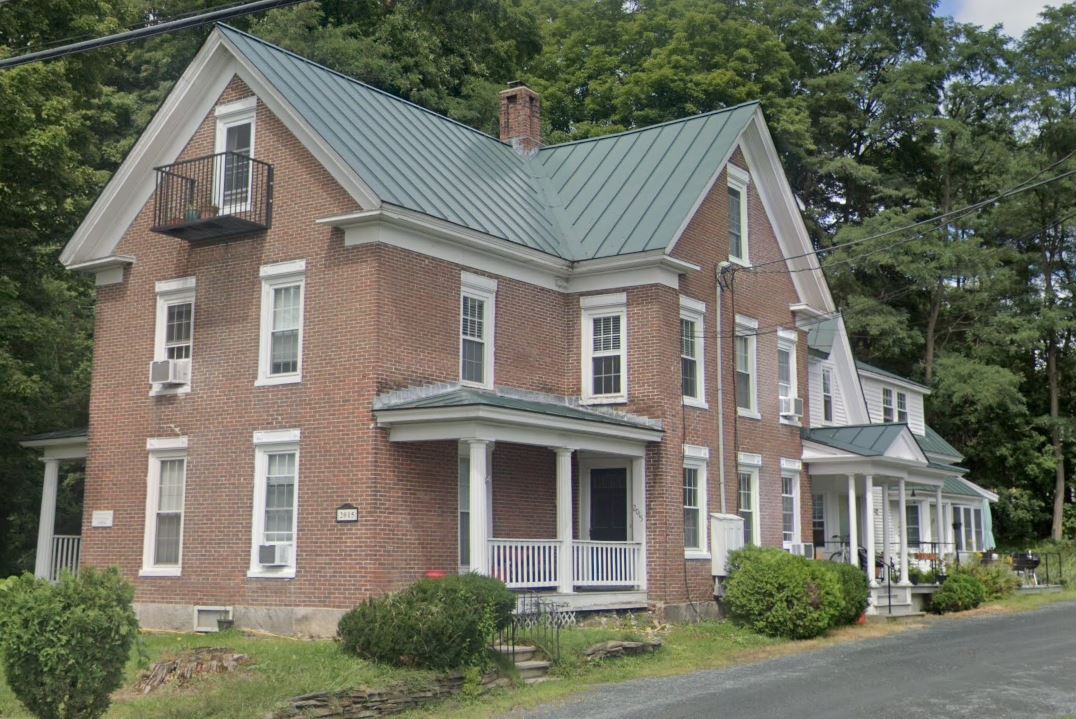
QUECHEE MAIN APARTMENTS — QUECHEE, VT
Quechee Main Apartments consists of two multifamily buildings totaling 10 units located in the heart of Quechee Village. Positioned in one of the Upper Valley's most desirable communities, the property benefits from strong housing demand driven by Dartmouth Health, Dartmouth College, and a growing population of healthcare professionals and graduate students seeking quality housing.
the play
Reposition the property by introducing furnished mid-term rentals designed for traveling healthcare professionals, graduate students, and other professionals requiring flexible housing. Additional opportunities include monetizing unused storage space and making targeted property improvements to support long-term income growth.
highlights
Total Unit Count: 10
Projected IRR: 18.1%
Projected Hold Period: 5–7 Years

HANOVER STREET APARTMENTS — LEBANON, NH
Hanover Street Apartments is a 7-unit multifamily property located in Lebanon, New Hampshire, one of the fastest-growing communities in the Upper Valley. The property is well positioned to serve the area's expanding workforce, supported by Dartmouth Health, Dartmouth College, and a limited housing supply that continues to drive rental demand.
the play
Modernize unit interiors and common areas, transition heating expenses to tenants where possible, and activate additional income opportunities through existing underutilized space. The business plan focuses on improving operations while repositioning the property for long-term appreciation.
highlights
Total Unit Count: 7
Projected IRR: 15.9%
Projected Hold Period: 5–7 Years
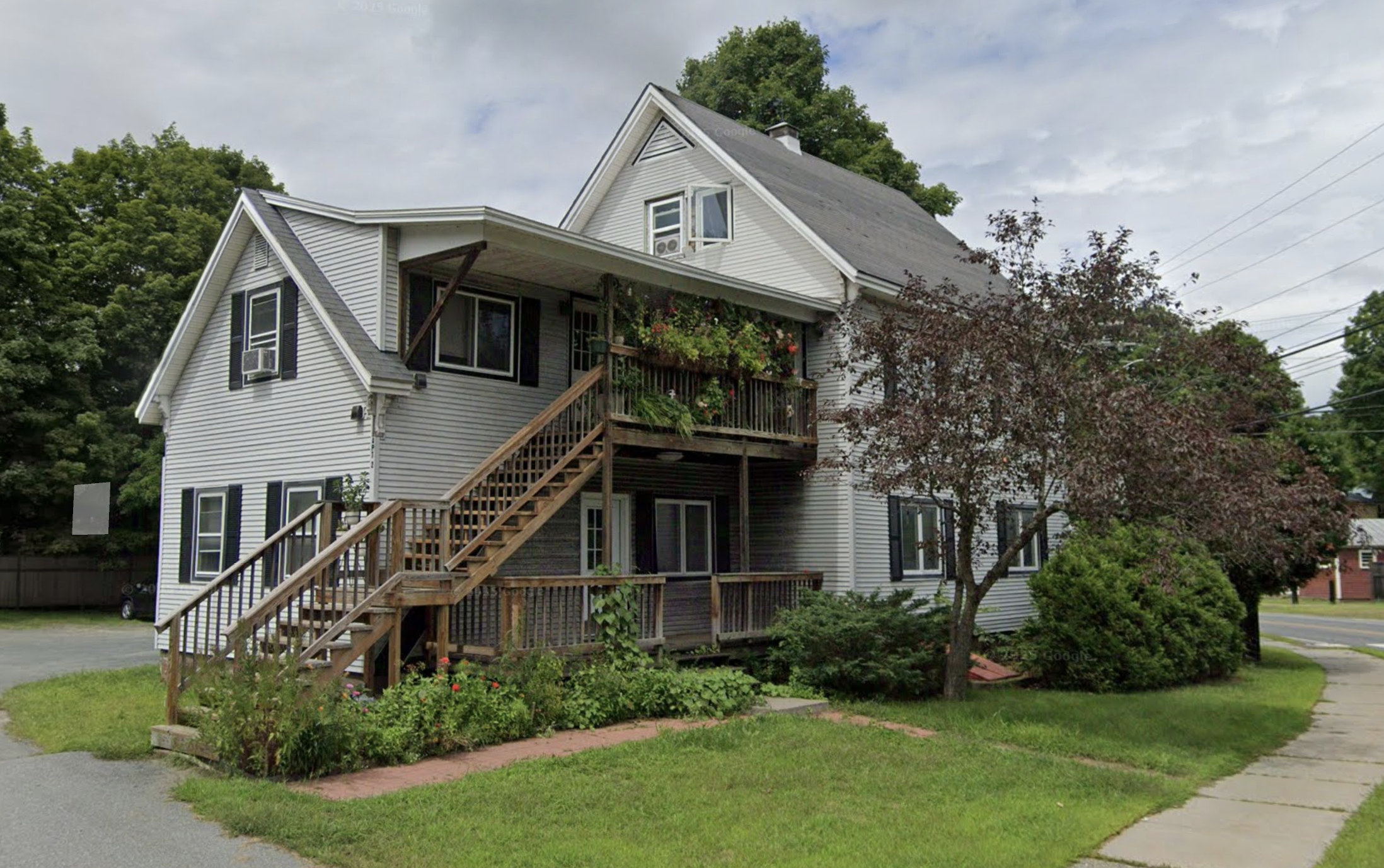
HARTFORD AVE APARTMENTS — WILDER, VT
Hartford Ave Apartments consists of two B+ multifamily properties totaling 8 units in Wilder, Vermont, just minutes from Dartmouth Health, Dartmouth College, and the major employment centers of the Upper Valley. The property benefits from strong local demographics, extremely limited housing supply, and below-market rents that provide meaningful upside through thoughtful repositioning.
the play
Complete strategic interior renovations, reposition rents toward market levels, convert existing commercial space into additional residential units, and improve operational efficiencies through expense reductions and ancillary income opportunities. The strategy is designed to strengthen cash flow while increasing the property's long-term value.
highlights
Total Unit Count: 8
Projected IRR: 14.3%
Projected Hold Period: 5 Years
how it works

We source the deal
We identify high-quality opportunities, negotiate favorable terms, secure financing, and handle the acquisition.

you invest
You provide capital and participate as a limited partner sharing in the cashflow, equity growth, and tax advantages.

we manage
We actively oversee rent collection, property management, and day to day operations to fully execute the business plan.

you collect
You collect quarterly distributions while your equity grows and the asset compounds over time. You also share in the profits when the property is refinanced or sold.
Stay NOTIFIED
The next opportunity could be right around the corner as we continuously have potential projects in the pipeline.
Our offerings typically fill within 48-72 hours of release, and early access makes all the difference. Join our private investor list today to receive priority notification the moment a new deal becomes available.
Complete the form below and we'll reach out within 24 hours to schedule your strategy call.

OUR Free Passive Investor Toolkit
Everything you need to start investing smarter - yours free when you join our investor list
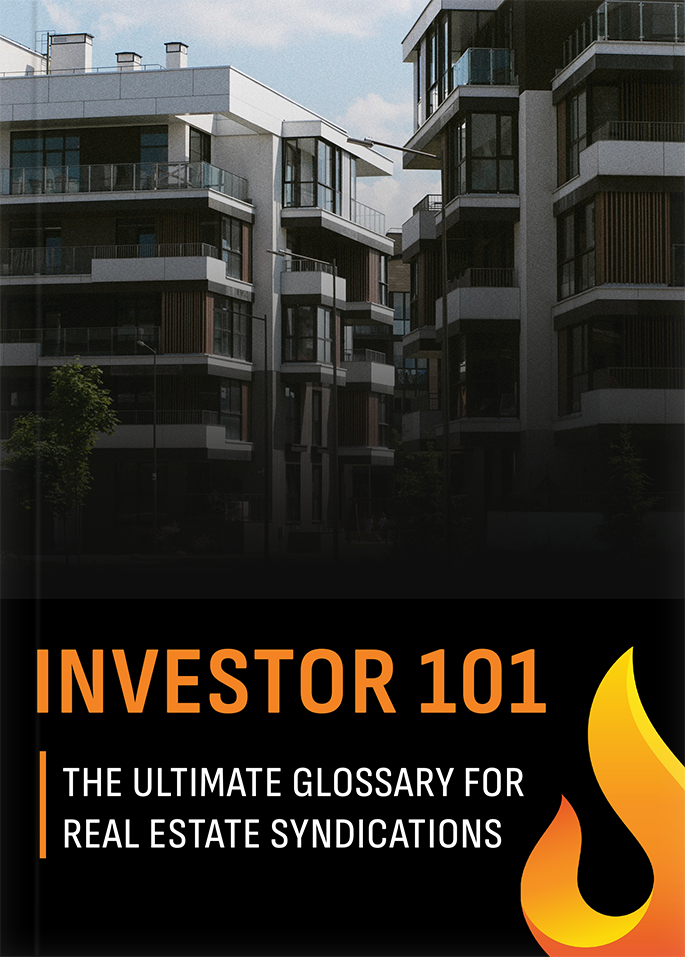
Investor 101 Glossary
Cut through the jargon and understand exactly what you're investing in

Due Diligence Checklist
Know the right questions to ask before committing to any deal

Passive Investor's Handbook
Complete guide to getting started in multifamily syndications
frequently asked questions
WHAT IS A REAL ESTATE SYNDICATION?
A real estate syndication is a partnership structure where multiple investors pool capital to acquire and operate a real estate property that would typically be difficult to purchase individually. By combining resources, investors are able to access larger, professionally managed assets while sharing in the income, tax benefits, and long term appreciation of the property.
In a syndication, the operating team is responsible for sourcing the deal, executing the business plan, and managing the property, while investors participate as equity partners without being involved in day to day operations. This structure allows investors to gain exposure to real estate with experienced operators while remaining passive.
HOW ARE YOUR DEALS STRUCTURED?
Each investment is structured as a standalone limited liability company created specifically for that property. This entity owns and operates a single asset, which helps isolate risk and simplify operations.
Investors participate as equity partners in the LLC, making them direct owners in the underlying property. This structure allows investors to benefit from ongoing cash flow, tax advantages passed through the entity, and participation in the long-term equity growth realized during the hold period and at exit.
Our team serves as the operating partner, responsible for sourcing the opportunity, executing the business plan, managing the asset, and overseeing all day-to-day operations. This alignment ensures our incentives are directly tied to the performance of the investment.
WHAT TYPES OF PROPERTIES DO YOU INVEST IN?
We focus primarily on value-add multifamily rental properties in select New England markets with historically low vacancy and strong long-term demand. Our portfolio consists of small to mid-sized apartment buildings typically ranging from 5 to 50 units where we can improve operations, increase efficiency, and unlock upside through strategic renovations and professional management.
We are intentionally market specific, with our team located directly in the markets where we invest. Having boots on the ground gives us a competitive advantage through deeper local knowledge, stronger relationships, and hands on oversight throughout the acquisition and execution process. New England offers a unique combination of limited housing supply, stable employment bases, and resilient rental demand. This allows us to prioritize durable cash flow today while positioning each asset for long term appreciation.
Rather than chasing scale for its own sake, we target properties where fundamentals drive the return. Our approach emphasizes conservative underwriting, downside protection, and multiple paths to value creation.
WHAT IS A LIMITED PARTNER?
A limited partner is a passive investor who contributes capital to a real estate syndication but does not participate in the day to day management or decision making of the investment. Limited partners are not responsible for operating the property and their liability is generally limited to the amount of their investment.
The general partner is responsible for sourcing the opportunity, securing financing, executing the business plan, and managing all aspects of the investment throughout its lifecycle. This includes overseeing operations, renovations, and the eventual disposition of the asset. The general partner typically assumes the majority of the operational responsibility and risk.
For our partnership opportunities, investors participate as limited partners while our team serves as the general partner, aligning incentives by managing the investment on behalf of our partners from acquisition through exit.
WHO CAN INVEST?
We offer opportunities for both accredited and sophisticated investors, though eligibility is determined on a deal by deal basis.
To stay informed about current and future opportunities, join our Investor List. After joining, we will connect to learn more about your background, investing experience, and long term goals. Once we have aligned on fit, we will share relevant opportunities as they become available.
WHAT IS AN ACCREDITED INVESTOR?
To qualify as an accredited investor, an individual must meet one of the following requirements:
1. Have an individual income of over $200,000 per year, or a joint income of $300,000 with a spouse, for each of the past two years, with a reasonable expectation to maintain the same income level in the future.
2. Possess a net worth exceeding $1,000,000, either individually or jointly with a spouse, excluding the equity in their primary residence.
A sophisticated investor is someone who may not meet the financial thresholds of an accredited investor but has sufficient financial knowledge and investing experience to evaluate the merits and risks of a real estate investment.
WHAT IS THE MINIMUM INVESTMENT?
Minimums vary from deal to deal but generally are set at $50K with preference given to investors with more to invest.
WHEN AND HOW WILL I GET PAID?
While distributions vary from deal to deal, we most commonly make quarterly distributions. Funds are distributed via direct deposit.
WHAT ARE THE TAX IMPLICATIONS?
As a limited partner, you will benefit from your portion of the investment’s deductions for property taxes, loan interest, depreciation, etc. At times, we will also use a cost segregation strategy to accelerate depreciation. The tax loss can then be used to offset other income depending upon your individual tax situation. At the time of sale, the partnership gains are treated as long-term capital gains. For a comprehensive understanding of how investing in a real estate syndication may affect your taxes and to ensure the most beneficial tax outcomes, we strongly advise consulting with a qualified tax professional tailored to your specific circumstances.
CAN I INVEST USING A RETIREMENT PLAN?
Yes, you can invest in a real estate syndication using a retirement account by utilizing a Self-Directed IRA (SDIRA). To do this, you’ll need to open an SDIRA with a custodian such as such as American IRA, Directed IRA, or Vantage IRA that allows real estate investments. Once your account is set up and funded – either through a rollover from an existing retirement account or through new contributions – you can select a real estate syndication to invest in. Your custodian will help facilitate the investment by ensuring that all transactions are completed in the name of your SDIRA.
HOW WILL YOU COMMUNICATE WITH ME?
We will provide monthly email updates on the project's progress including renovation status, pictures, rents received, and distribution amounts for the period. You will also receive a K-1 statement each year for your tax filing.
HOW DO I GET STARTED?
You can get started by joining our Investor List. From there we will schedule a call to discuss your investing goals and where you are currently at on your financial journey.


disclaimer
Under no circumstances should any material at this site be used or considered as an offer to sell or a solicitation of any offer to buy an interest in any investment. Any such offer or solicitation will be made only by means of the Confidential Private Offering Memorandum relating to the particular investment. Access to information about the investments are limited to investors who either qualify as accredited investors within the meaning of the Securities Act of 1933, as amended, or those investors who generally are sophisticated in financial matters, such that they are capable of evaluating the merits and risks of prospective investments. You should always consult certified professionals before making decisions regarding your individual financial situation. Ryan Bevilacqua and Cory Jacobson are not financial or tax professionals, and Juice Enterprises is not a brokerage, dealer, or SEC-registered investment advisory firm.